
 Night in nature-inspired fiction is not just day with the lights off; it is a different world with different rules, and your prose should change when the sun goes down.

The Quiet Power of Weather in Short Fiction
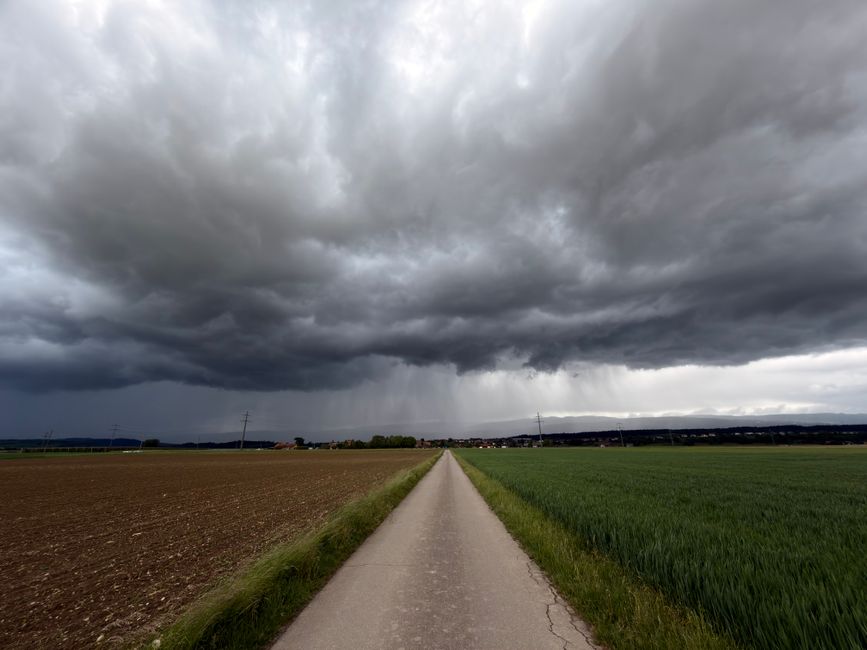
Writers often treat weather as decoration. A little rain for mood, a little sun for relief. But weather is one of the few forces in fiction that no character can negotiate with. You cannot charm a blizzard. You cannot apologize to a flood. That makes it one of the most honest tools you have.
Think about what weather does to a scene. It changes what is possible. A conversation that could happen in a warm kitchen becomes a different conversation in a leaking tent. The same words land harder when someone is shivering. Weather does not just set tone. It sets limits, and limits are where story lives.
Weather as a clock
In nature-inspired fiction, weather can function as a ticking clock. A storm arriving at dusk gives your characters a deadline they did not choose. A drought stretching into its third month raises the stakes of every well, every argument, every silence. You do not need to state the tension. The sky states it for you.
This works best when weather is specific. 'It was raining' means almost nothing. 'The rain came sideways through the gap in the door and pooled around the fire' tells the reader exactly how bad things are. Specificity turns weather from background into event.
Be careful not to make weather a metaphor that announces itself. If every storm means grief and every sunrise means hope, the reader stops trusting the sky. Let weather be contradictory. A funeral under a clear blue afternoon can be more devastating than one under clouds, because it refuses to match the mood. That mismatch is what real life feels like.
Let characters misread the sky
One of the richest things you can do is let your characters be wrong about the weather. A farmer who insists the wind will turn. A child who thinks the first frost is a game. A traveler who ignores the smell of snow because they are in a hurry. Their misreading creates consequences, and consequences create plot.
This is especially powerful in nature-inspired work because it puts humans back in their proper place. We are not masters of the sky. We are guessers. When your characters guess wrong, the story becomes about humility, survival, or stubbornness, all without a single lecture.
Try writing a scene with no weather at all, then write it again with weather that actively interferes. Notice how much faster the second version moves. Weather is not the paint on the wall. It is the hand pushing the door closed.