
 How to invent an ecosystem that feels real without ever naming a real species or place.
The Sound of a Place: Writing Landscape Through Noise

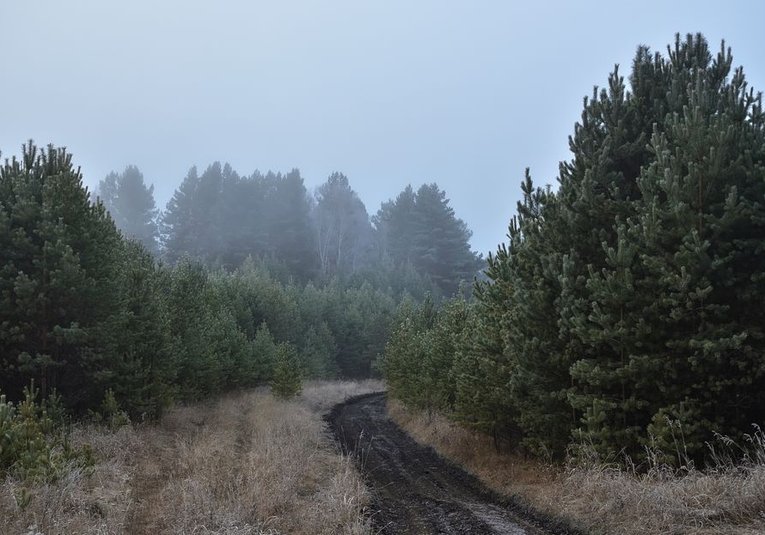
Close your eyes in a forest and you will learn more about it than any photograph can tell you. The way sound travels depends on the trees. A pine plantation swallows noise. A birch grove lets it skip. A canyon returns it. If you only describe what your characters see, you are writing half a place.
Sound is also one of the fastest ways to create intimacy. Sight keeps the reader at a distance. Sound puts them inside the body of the character. When a branch cracks behind someone, the reader flinches. When a creek is the only voice for miles, the reader feels the loneliness without being told.
Build a sound map
Before you write a scene, list what can be heard at three distances. Near: breath, cloth, footsteps, water lapping. Middle: birds, wind in specific trees, insects, a distant axe. Far: thunder, a road, a river, something you cannot identify. This map keeps your soundscape honest. It also gives you a natural rhythm for the paragraph.
Then choose what is missing. Silence in a forest is rarely true silence. It is the absence of one expected sound. If the frogs stop, the night feels wrong. If the wind dies, the leaves hold still. Use absence the way a musician uses a rest. It creates anticipation.
Be careful with onomatopoeia. Words like 'whoosh' and 'crash' can pull the reader out of the scene because they sound like comic books. Instead, describe the effect of the sound. 'The branch broke and the whole hillside went quiet.' You do not need to imitate the noise. You need to show what it did to the listener.
Let sound carry memory
Sounds are tied to memory more tightly than images. A particular bird call can return a character to childhood in a single beat. A specific rhythm of rain on a tin roof can mean home. When you use sound this way, you do not have to explain the backstory. The character's reaction does the work.
This is especially useful in nature-inspired fiction, where the land itself is often a kind of memory. A river that sounds the same after twenty years tells you what has not changed. A forest that has gone quiet tells you what has. The sound is the evidence.
Try writing a full page with no visual description at all. Only sound, smell, and touch. You will find that the place becomes more vivid, not less, because the reader has to build it with you. That collaboration is what makes a landscape stay with someone long after the story ends.