
 Predation is not a metaphor for cruelty or a lesson about balance; it is a fact of the living world, and writing it well requires both honesty and restraint.

The Ethics of Wildness: Writing Predation Without Glorifying or Sanitizing It
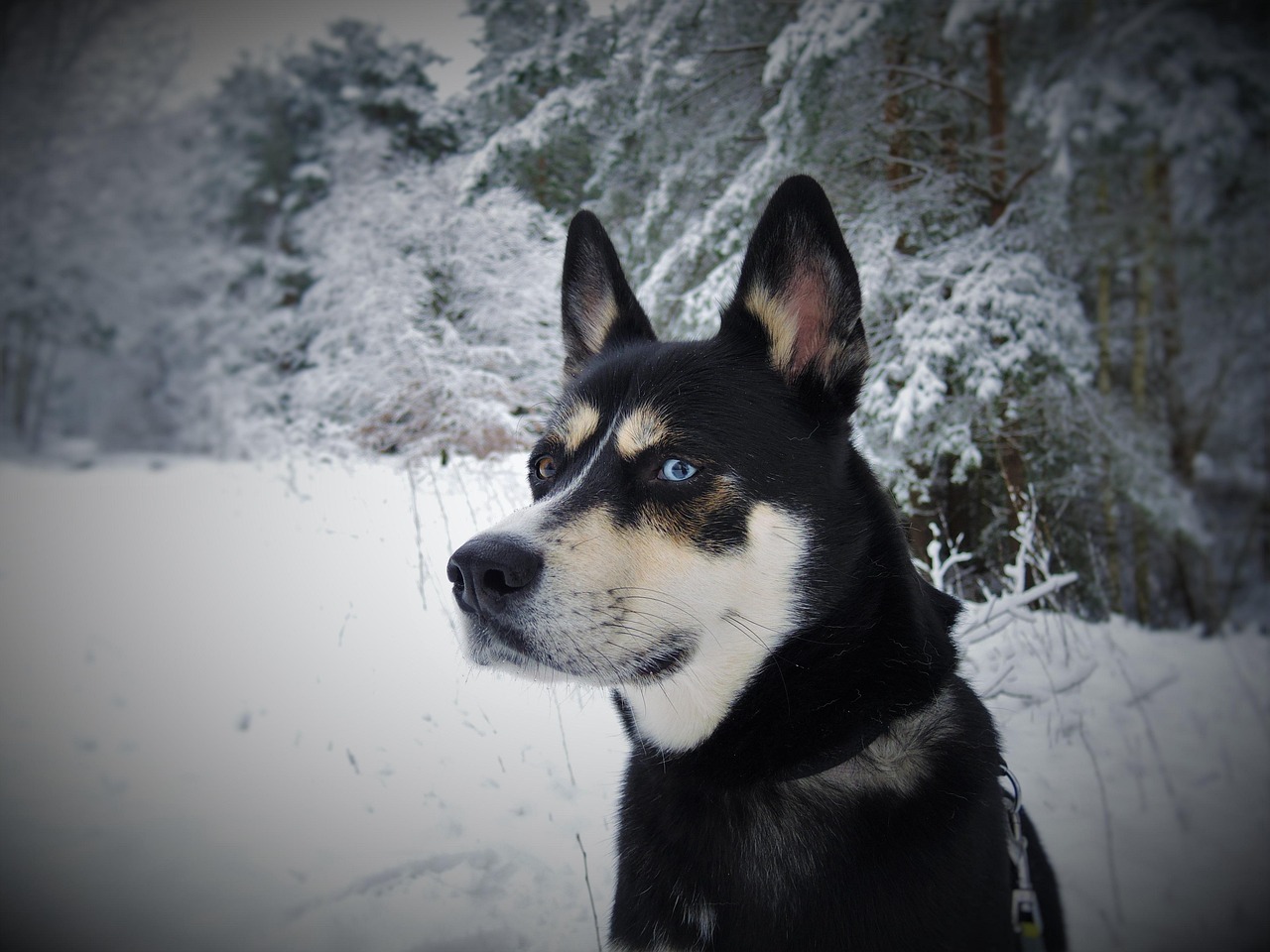
Sooner or later, if you write about the natural world, you will write about something eating something else. This is not a scene you can skip. Predation is not a side effect of wildness; it is one of its central facts. But it is also one of the easiest things to get wrong, because we tend to reach for meaning before we reach for observation. The wolf becomes a symbol of the wild. The deer becomes innocence. The hunt becomes a parable about power. None of that is necessarily false, but it is all a step away from the actual event, which is stranger and more specific than any symbol.
The first discipline is to refuse the easy frame. A predator is not evil, and it is not noble. It is hungry, or it is teaching its young, or it is following a scent it cannot explain. The more precisely you can render those motives without translating them into human moral terms, the more the scene will hold. This does not mean you cannot have a point of view. It means your point of view should come from inside the moment, not from a lecture delivered over it.
Restraint as Respect
There is a temptation, especially in literary fiction, to make violence beautiful. Blood on snow is a striking image, and it is a true image. But beauty can become a kind of anesthesia. If every kill is rendered in lush prose, the reader stops feeling the cost and starts admiring the sentence. The alternative is not ugliness for its own sake. It is a willingness to leave some things unadorned. The animal does not experience its death as a poem. Sometimes the most ethical choice is a plain sentence.
This is also true when you write from the prey's perspective. Terror is not lyrical. It is narrow and stupid and fast. If you slow it down to make it pretty, you have stopped writing about the animal and started writing about your own sensitivity. That is a legitimate mode, but it is a different mode, and you should know which one you are in.
Predation as Relationship, Not Event
One way out of the moral trap is to zoom out. A single hunt is a moment, but predation is a relationship that has shaped both species for longer than we can imagine. The deer is fast because the wolf is fast. The wolf is patient because the deer is alert. When you write the hunt, you are writing the visible tip of an invisible co-evolution. Let some of that history press against the scene without stating it. A character who understands this will move differently than one who sees only the kill.
For poets, this is often a question of scale. A poem about a hawk can hold the entire field it hunts over, and the field can hold the hawk. The two are not separable. If you try to write the hawk alone, you get a portrait. If you write the hawk and the field together, you get a world.
The final test is simple. Read your predation scene back and ask whether the animal would recognize itself in it. Not literally, of course, but in spirit. If the answer is no, you have probably written a human story wearing fur. That can be a good story. But it is not the one you set out to write.