
 How to use plant and animal names so they sing instead of stall.
Seasonal Structure: Using the Wheel of the Year to Shape a Story
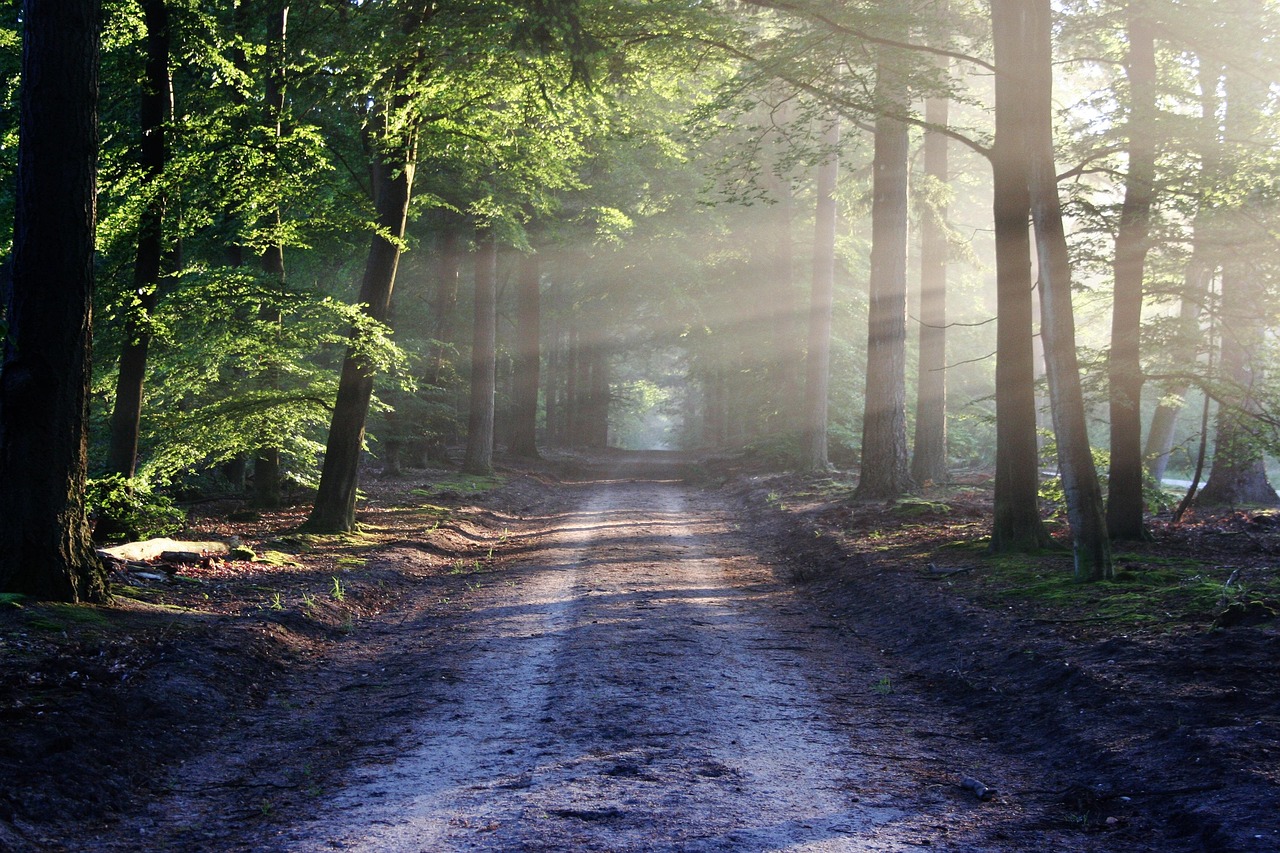
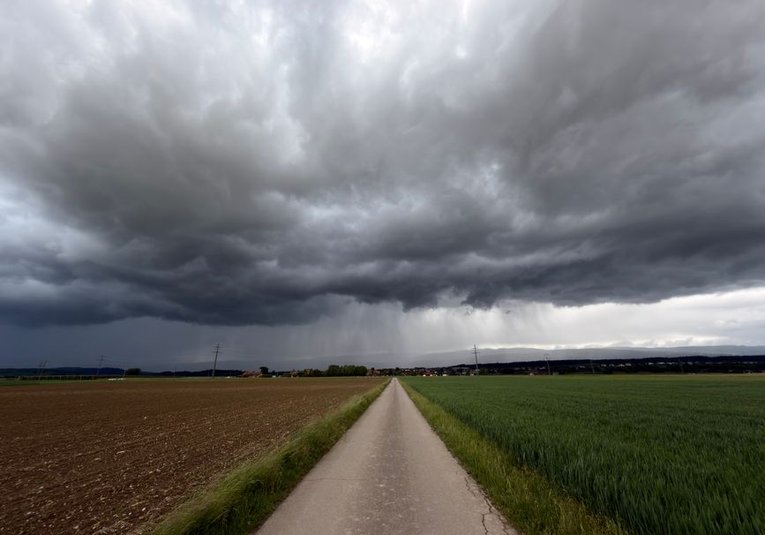
There is a reason so many old stories begin in spring and end in winter. The seasonal wheel is one of the oldest structures humans have for making sense of time, and it maps almost perfectly onto the shape of a narrative: something stirs, something grows, something is harvested, something sleeps. When you write nature-inspired fiction, you have access to this structure whether you consciously use it or not. The question is whether you let it work for you or leave it lying in the background like unused timber.
The simplest way to begin is to assign your story's movements to seasons, not as decoration but as pressure. A character who must leave home in late autumn feels different from one who leaves in early summer. The season tells the reader what kind of change is coming before the plot does. It also gives you a clock. If your novel spans a year, you already know roughly when the hard part will land and when the relief will come, because the land itself has a rhythm you can borrow.
Seasons as Emotional Architecture
Be careful not to make the seasons into a mood board. Winter is not simply sad, and summer is not simply happy. A frozen lake at midnight can hold a strange peace; a ripe orchard can be claustrophobic with wasps and rot. The craft move is to let the season complicate the emotion rather than confirm it. Ask what the character notices about this particular spring that they would not have noticed in another year. That noticing is where story lives.
One useful exercise is to write the same scene four times, once in each season, and watch what changes. Often the dialogue stays the same, but the stakes shift. In one version the characters are sheltered by leaves; in another they are exposed. That difference is not just atmosphere, it is power. Who is hidden, who is visible, who is warm, who is cold: these are all questions of who has advantage in the scene.
Breaking the Cycle Without Breaking the Spell
The wheel of the year is a loop, but stories need to end somewhere. You can honor the cycle while still delivering change by making the return different. The character comes back to the same field, but they know now what the field cannot give them. The harvest happens again, but it means something else. This is how mythic structures stay alive: they repeat, but they do not reset.
If you write poetry, the seasonal wheel can work at the level of the line. A poem that moves from frost to thaw in twelve lines is doing the same thing a novel does in twelve chapters. The compression is the point. Let the reader feel the turning in their body before they understand it in their mind.
None of this requires you to name the seasons, or to mention solstices, or to quote folklore. It only requires that you let the land keep time, and let your characters live inside that time rather than above it. When the structure feels inevitable, the reader stops asking where the story is going and starts feeling where it is.